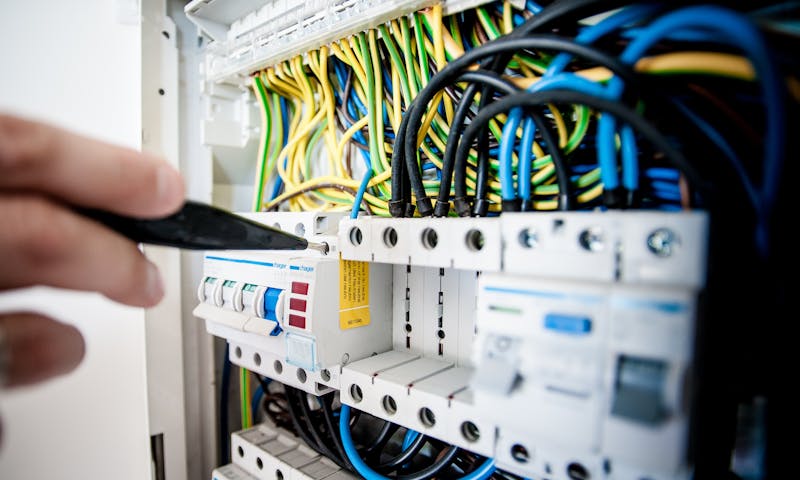
Many Cape Coral and Southwest Florida homes built or renovated in the 1980s and early 1990s were equipped with Challenger electrical panels — and if yours is one of them, it’s something you need to take seriously.
What Is a Challenger Electrical Panel?
Challenger was an electrical panel manufacturer that produced load centers and circuit breakers during the 1980s and 1990s. After a series of documented failures, the company was eventually absorbed into Eaton/Cutler-Hammer. The panels themselves — identifiable by the “Challenger” nameplate on the inside of the door — remain in thousands of Florida homes today.
Why Are Challenger Panels Dangerous?
The core problem with Challenger panels is their circuit breakers. A circuit breaker’s entire job is to trip — to cut off electrical current — when a circuit becomes overloaded or develops a short circuit. Challenger breakers have a documented history of failing to trip under these conditions.
When a breaker doesn’t trip during an overload, the wiring it’s supposed to protect continues to carry current it was never designed to handle. The wire overheats. The insulation melts. And in the worst cases, the wiring inside your walls ignites — causing a house fire that may have no visible warning signs until it’s too late.
This isn’t speculation. Challenger panels were the subject of a Consumer Product Safety Commission (CPSC) investigation, and their failure rates were documented in insurance industry studies that led many insurers to flag them on homeowners policies.
How Do I Know If My Home Has a Challenger Panel?
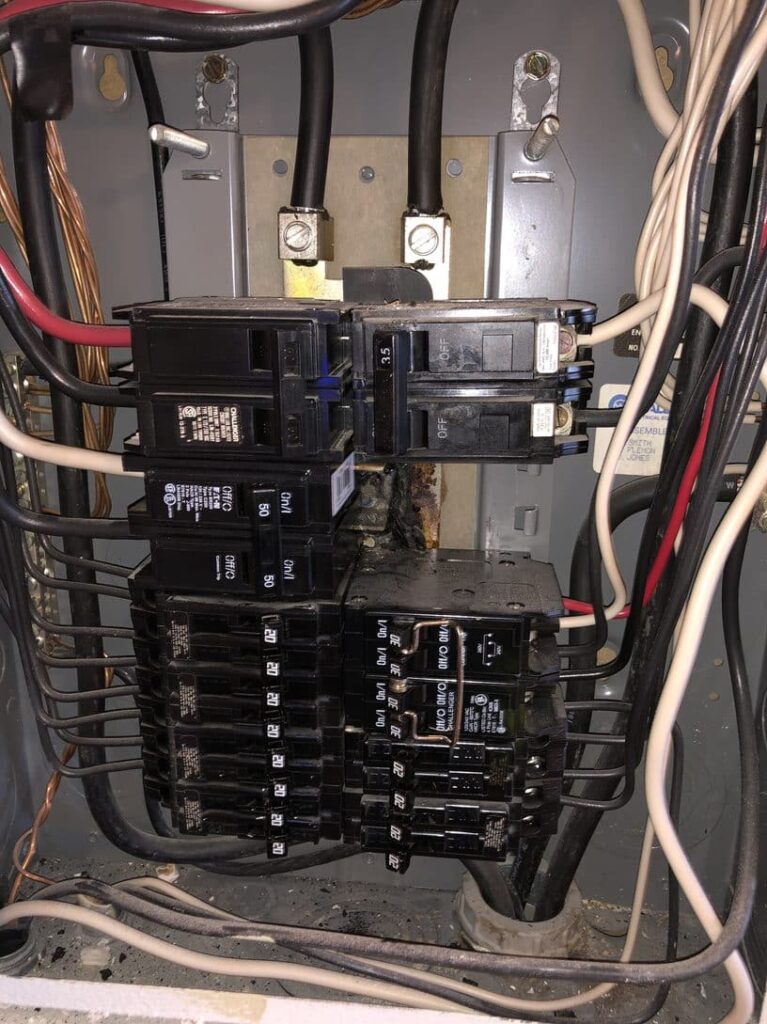
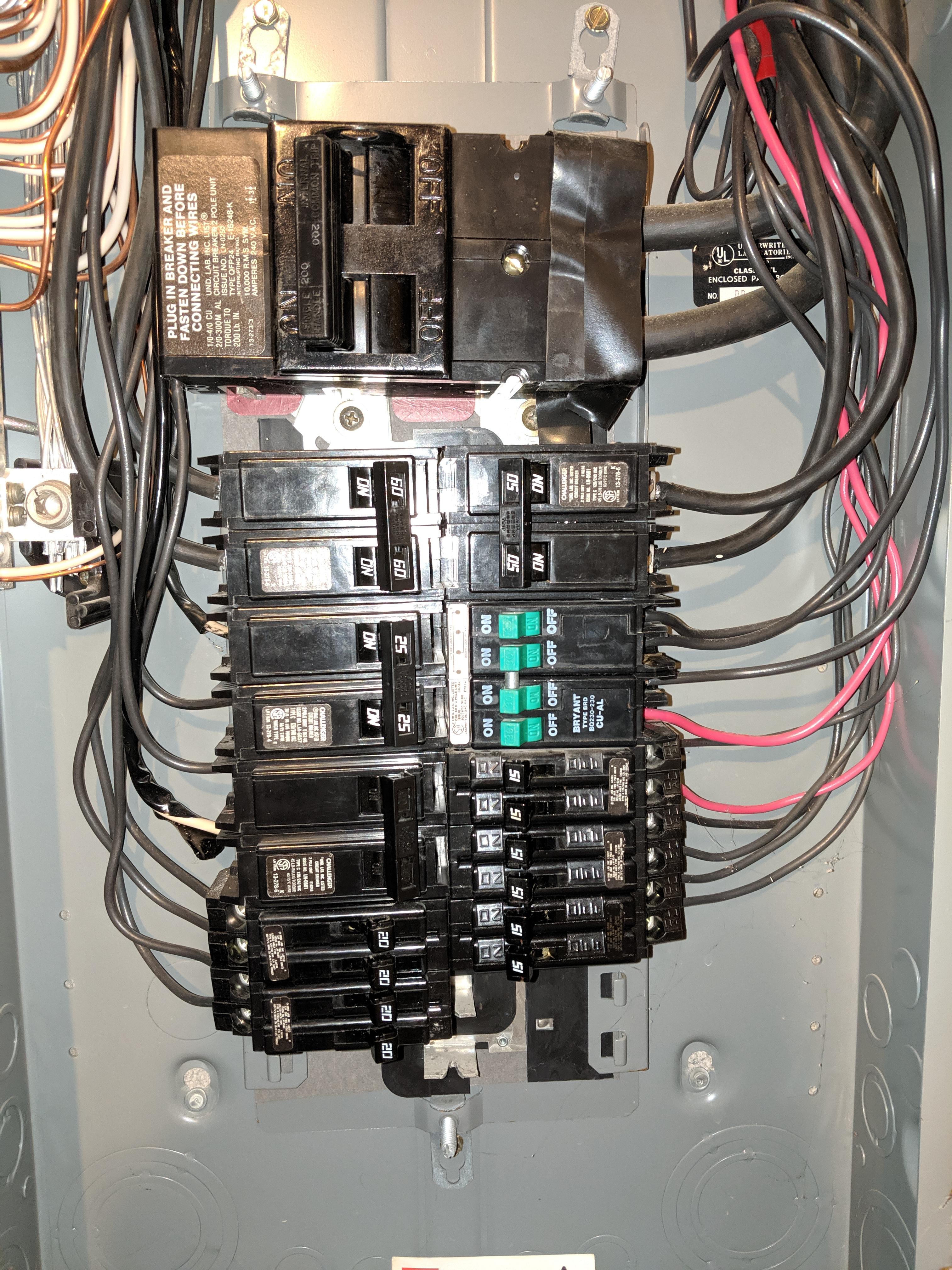
Open your electrical panel door and look at the interior. If you see the word “Challenger” on the breakers or panel label, you have a Challenger panel. Common locations in Cape Coral and Fort Myers homes include the garage, laundry room, or utility closet. If you’re not sure, call us — we’ll identify it during a free visit.
What Should Cape Coral Homeowners Do?
The safest and most permanent solution is a complete panel replacement — removing the Challenger panel and replacing it with a modern, code-compliant load center from a trusted manufacturer like Square D, Eaton, or Siemens. This is not a repair or a band-aid — it’s a proper resolution to the problem.
It requires an electrical permit and a city or county inspection — which ElectriciansX handles completely.
Will My Homeowners Insurance Cover a Challenger Panel Replacement?
Most Florida homeowners insurance companies will not cover losses caused by a Challenger panel if the homeowner was aware of the hazard. Some insurers require panel replacement as a condition of coverage — particularly if they identify a Challenger panel during a four-point inspection. Contact your insurance agent about your specific policy.
How Long Does a Panel Replacement Take?
A panel replacement in a Cape Coral or Fort Myers home typically takes 4–8 hours on installation day. FPL coordination for temporary power disconnect may add scheduling time. The complete project from contract signing to final inspection sign-off is typically 1–3 weeks.
Protect Your Home — Schedule a Panel Assessment
ElectriciansX replaces Challenger panels throughout Cape Coral, Fort Myers, and Southwest Florida. Licensed, permitted, and inspected.